

The National University of Life and Environmental Sciences of Ukraine (NULES) is established in 1898, is one of the top universities in Ukraine and one of the largest institutions of its kind in Eastern Europe. With a long academic tradition, the university conducts educational, scientific, research, innovation, and advisory activities aimed at studying the actual problems of life science and the natural environment. More than 26,000 students and 600 graduates, Ph.D. students, and seekers study at 3 educational and research institutes and 13 faculties of basic university institutions (Kyiv, Ukraine) and 10 separate regional units.
NULES has long been recognised as a national leader in promoting sustainable energy supply and clean technologies within Ukrainian higher education. The achievements of its two faculties – the Faculty of Mechanics and Technology and the Faculty of Construction and Design (together referred to as NULES) – were initiated through the TREATY project and have continued through the COPILOT project. Both are transformational initiatives under the EIT Higher Education Initiative aimed at strengthening the innovation and entrepreneurial potential of higher education institutions. Their key objectives include strengthening support infrastructures, accelerating knowledge and innovation transfer, broadening cooperation, and implementing Deep Tech educational courses.
These objectives proved especially challenging under wartime conditions: daily fourteen-hour power outages, student migration abroad, and the mobilization of faculties members into the Armed Forces of Ukraine. Nevertheless, thanks to close cooperation with consortium partners, ongoing support, and EIT HEI educational and scientific activities, NULES established new sustainable partnerships and, during 2023 – 2025, developed 24 new Deep Tech courses aligned with European standards. A total of 1,221 participants have already completed the training, and more than 200 have received mentoring across various fields.
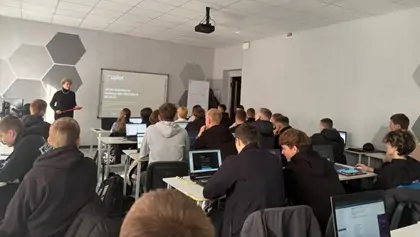
Fig. 1. Maria Bondar teaches the course in Applied Mechanics of Materials and Structured in Bioenergy
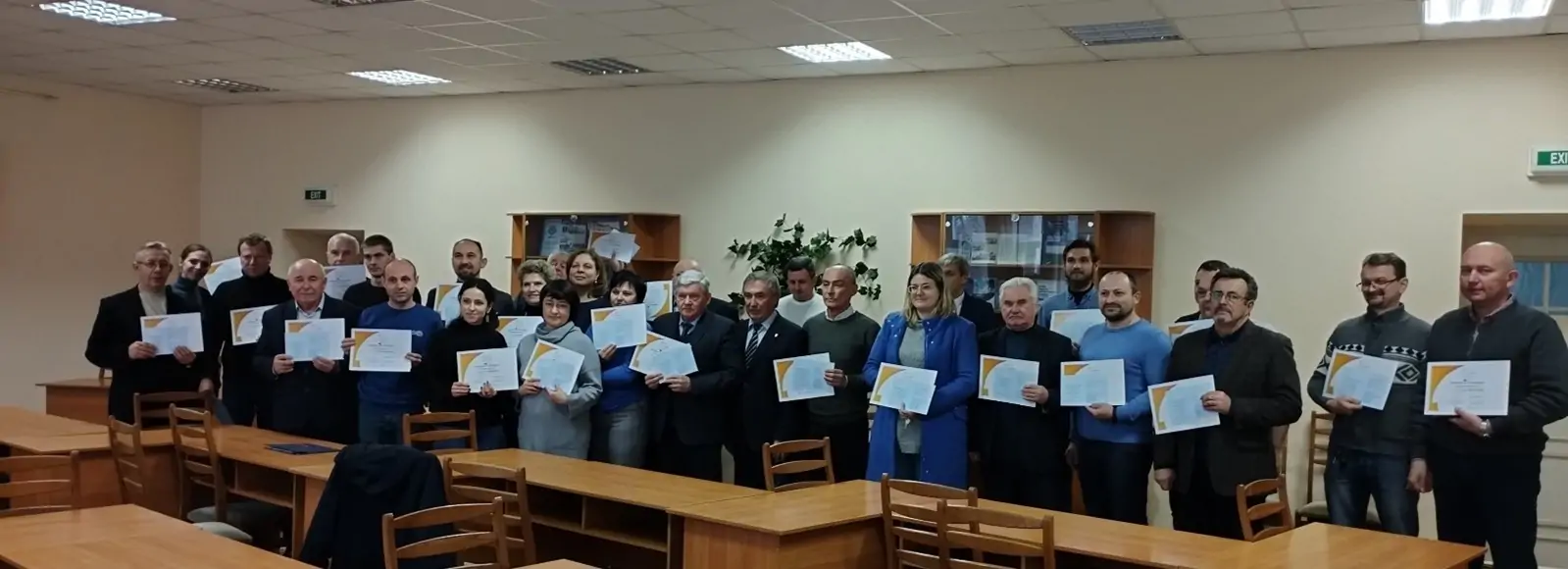
Fig. 2. Certificate awarding to the academic staff upon completion of the course “Development of Technical Systems in the Fields of Agricultural Engineering, Agronomy, Industrial Engineering, and Vehicle Transportation” within the framework of the TREATY project.
Through the TREATY and COPILOT projects, the faculties have introduced a new educational model, it`s education through innovation and business partnership, with a strong emphasis on practice-oriented learning and student-centered approaches. This includes co-developing bachelor’s, master’s, and PhD programs with stakeholders, as well as implementing a strategy for creating a safe, energy-independent, and digital educational environment.
Effective collaboration with industry and business has enabled the creation of modern training facilities, laboratories, and mentoring platforms equipped with advanced technologies. NULES is committed to providing students with relevant practical skills, access to modern infrastructure, mentoring programs, and first employment opportunities. Businesses, in turn, gain access to well-prepared specialists, that is the best in their field. Successful examples include scholarship competitions offered by KUHN and MZURI. The principle of “from the production line to the classroom” ensures that students train on equipment already used in real industrial settings.
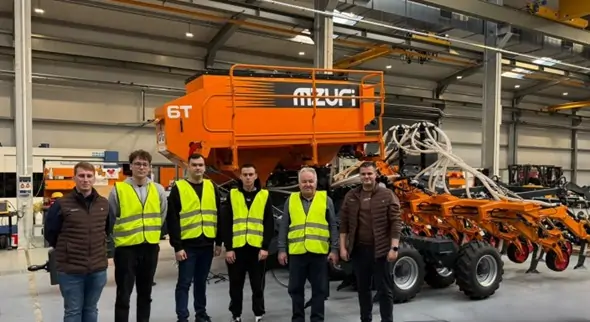
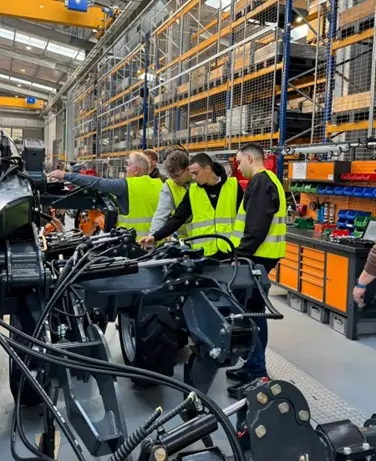
Fig. 3. Students compete for the honour of receiving a scholarship from MZURI
In 2025, the Sustainable Business Hub Platform was launched.
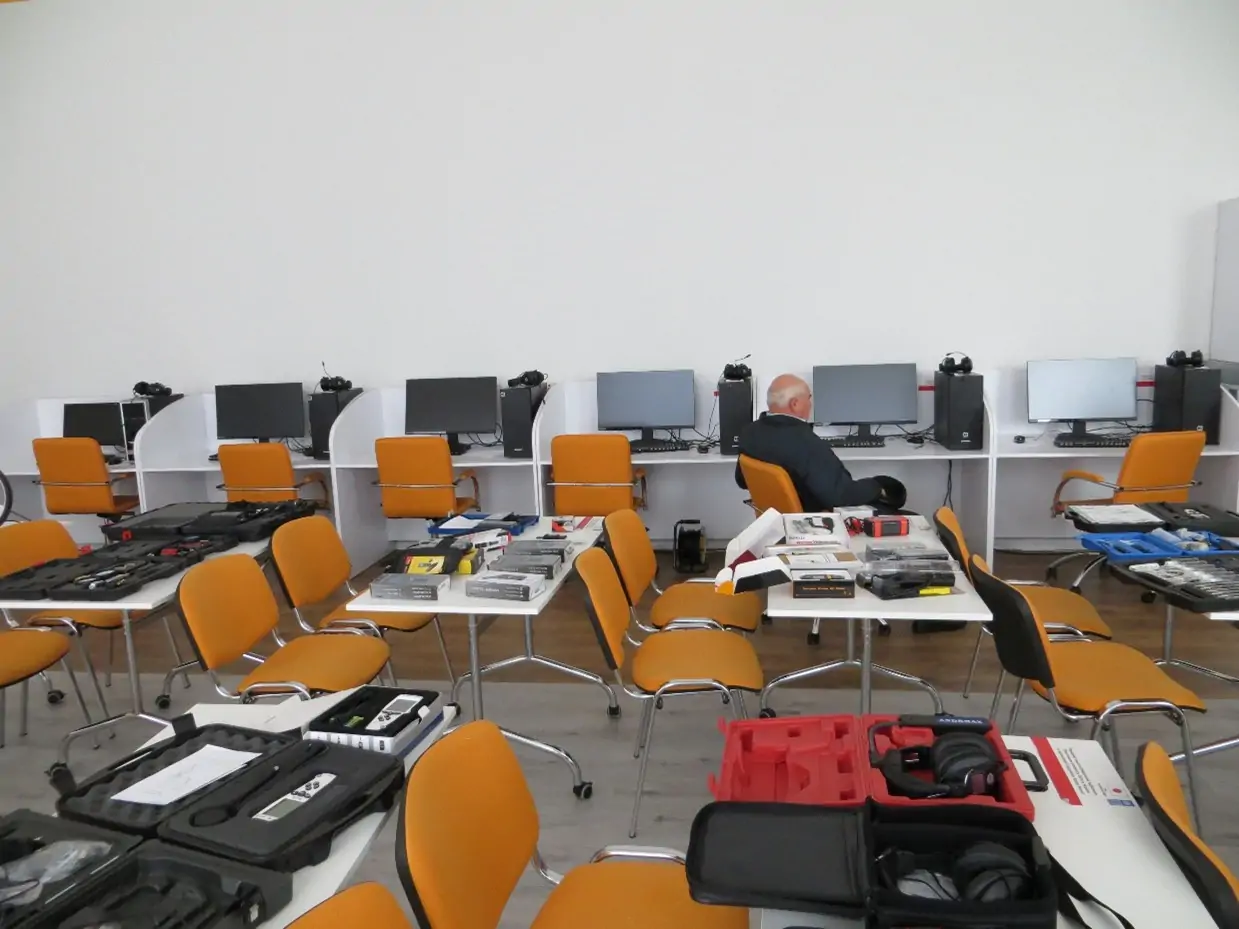
Fig. 4. The Sustainable Business Hub Platform
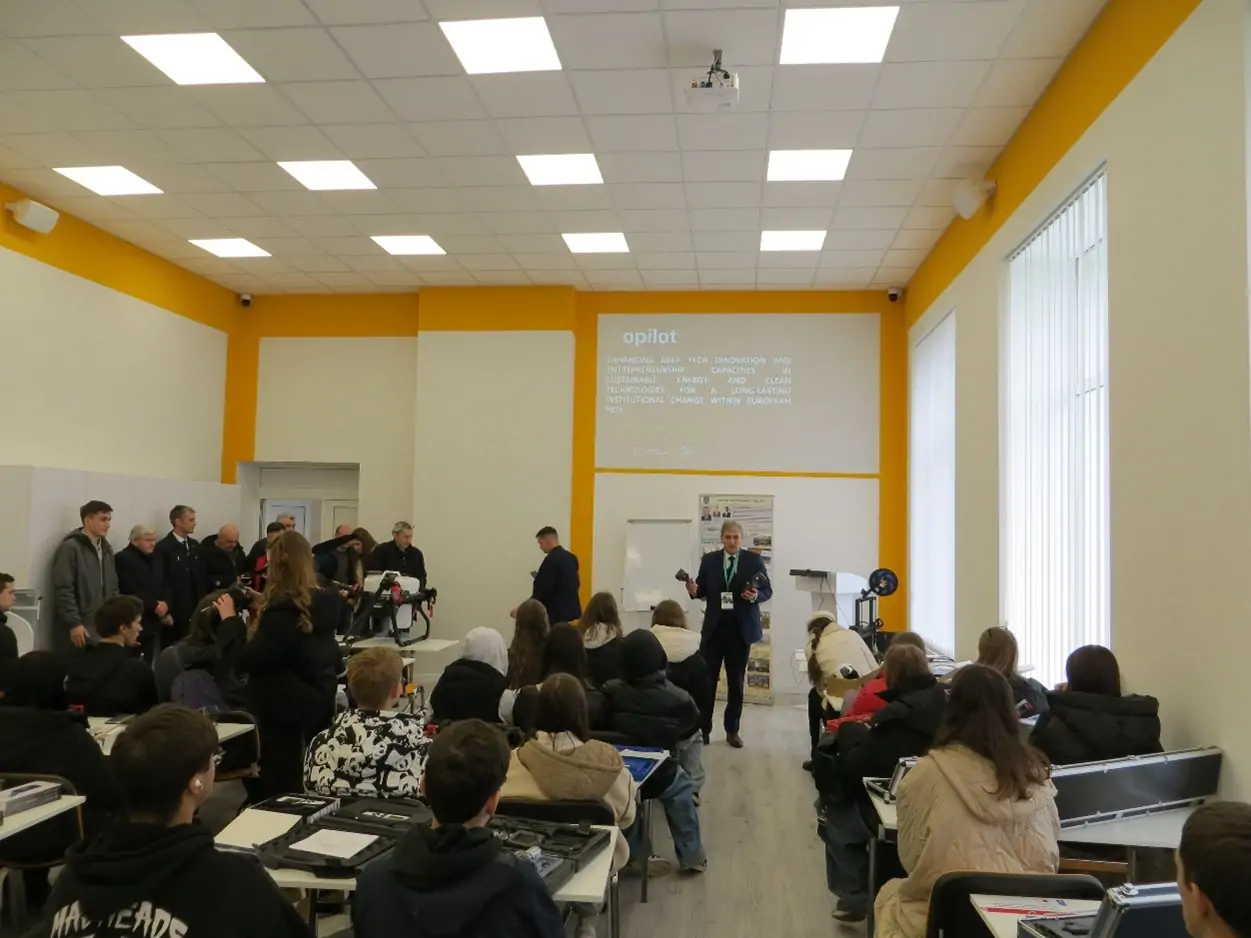
Fig. 5. A presentation of the EIT Higher Education Initiative and the COPILOT project for academic staff, students, and guests of the Sustainable Business Hub Platform
Two new research and training laboratories were opened and equipped in cooperation with – or with financial support from – leading companies such as KUHN, MZURI, and Arkada, as well as through EIT HEI project implementation. Throughout 2025, major employers such as MHP, KUHN, NEW HOLLAND, and LEMKEN joined the collaboration, offering internships, dual education programs, job opportunities, and joint educational initiatives. Career development starts from year one, progressing from soft-skills training to professional qualifications, and from interview preparation to building startups. This represents the practical implementation of the EIT “Knowledge Triangle,” uniting science, education, business, and the public sector in a shared dialogue about the future.
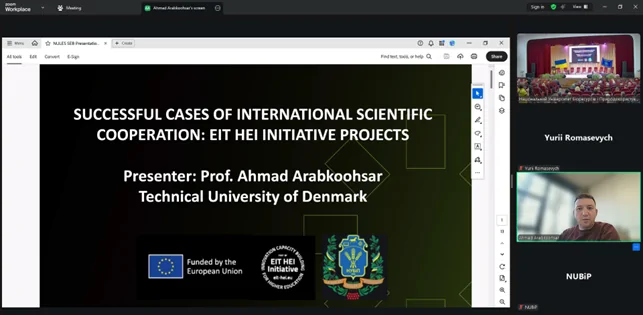
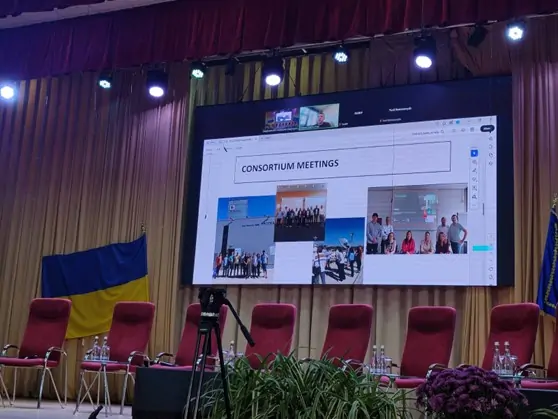
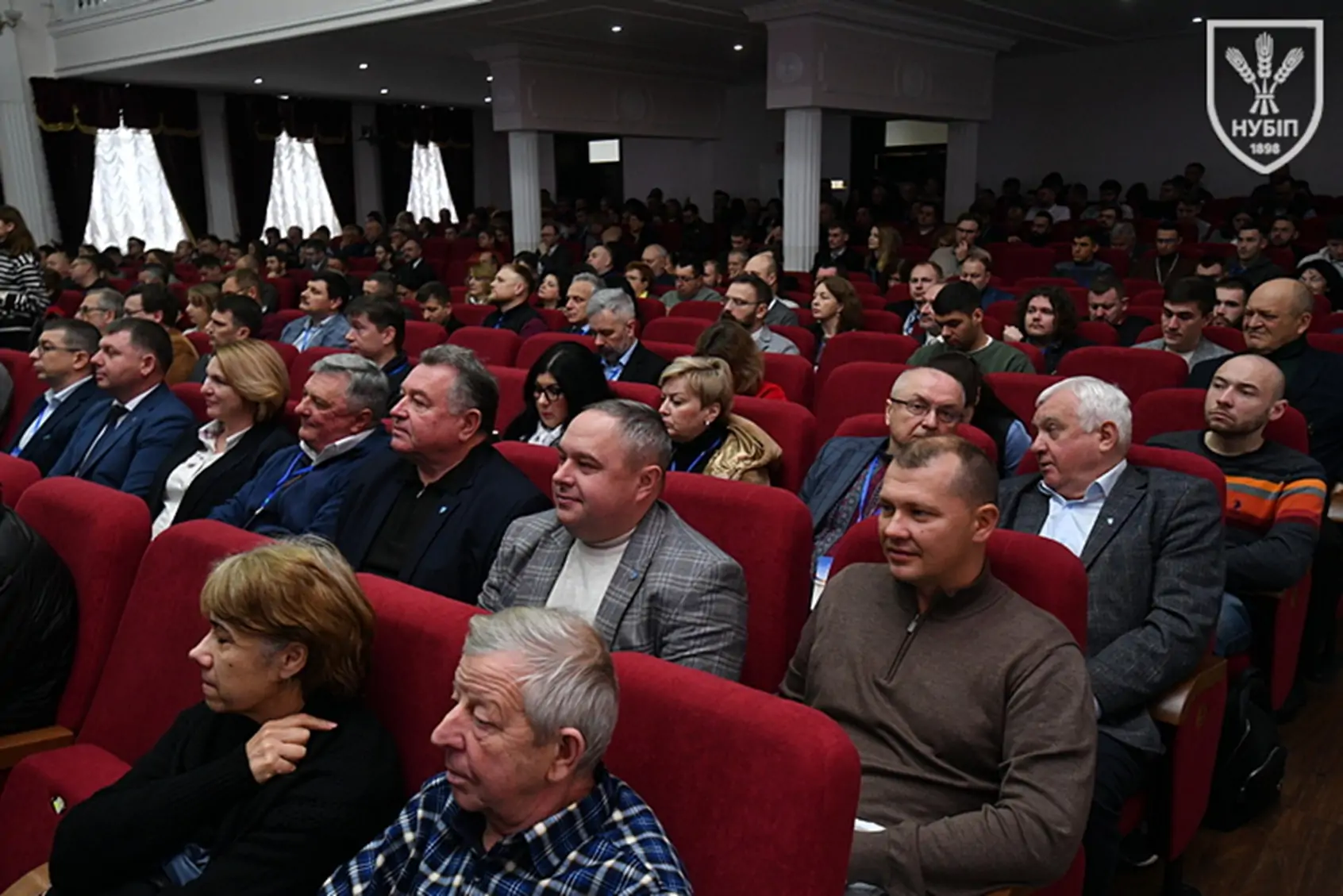
Fig. 6. Ahmad’s report on the EIT Higher Education Initiative, TREATY, and COPILOT projects at Ukraine’s largest employer-participation forum, “Science. Education. Business – 2025.”
In the COPILOT project, NULES serves as an “innovation and entrepreneurship pioneer.” Leveraging its expertise in Sustainable Energy and Clean Technologies, it supports the development of market-ready solutions. As a pioneer partner, NULES mentors Bila Tserkva National Agricultural University by conducting seminars, jointly developing pilot projects, participating in conferences and workshops, and presenting innovative solutions. This cooperation helps BNAU develop strategic approaches, strengthen regional ecosystem ties, and enhance its role in the Knowledge Triangle.
A notable example is the scientific and educational cooperation agreement with Polissia National University, signed in November 2025. Under this agreement, BNAU that guided by NULES, and conducted the course “Digital Technologies in Distributed Bioenergy” for students, as well as professional development programs for academic staff.
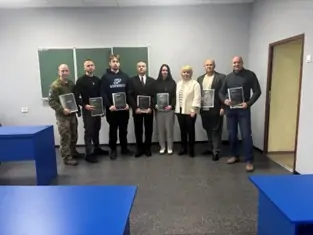
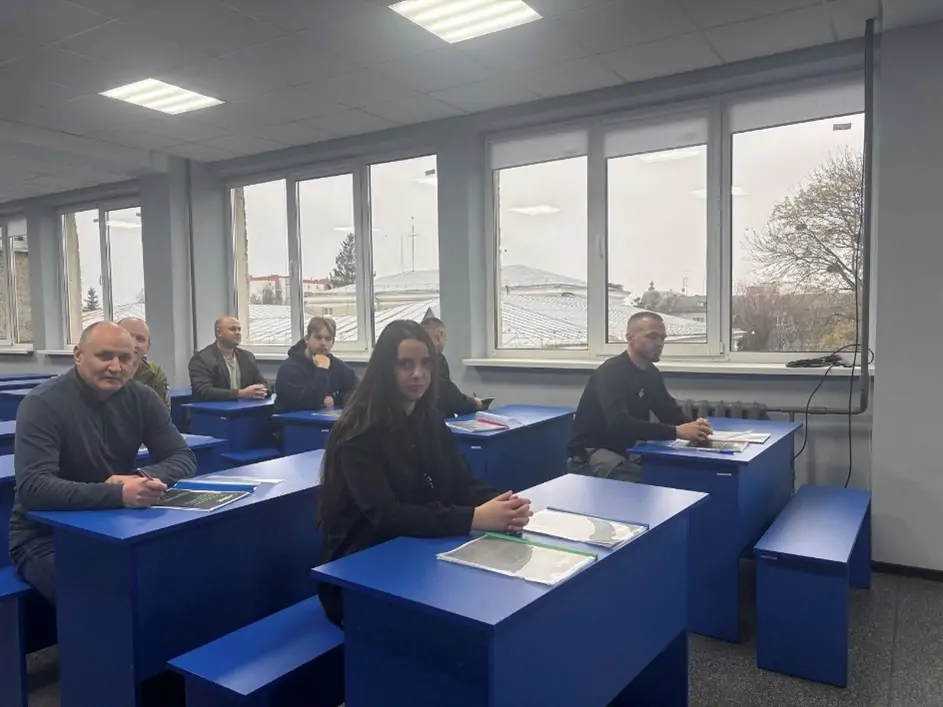
Fig. 7. Students of Polissia National University, who have completed training and guidance from Bila Tserkva National Agricultural University, are submitting their qualification papers
With the support of NULES, BNAU also implemented a pilot project for a solar power plant that now supplies the university with its own electricity.
Through the COPILOT project, NULES continues to build a strong collaboration for innovation and entrepreneurship across the consortium, integrating its achievements into the EIT ecosystem and demonstrating that science, education, and business are not parallel worlds, but a unified system shaping the future. Thanks to COPILOT, NULES is becoming a platform where these worlds converge, creating joint solutions, products, innovations, and policies.