
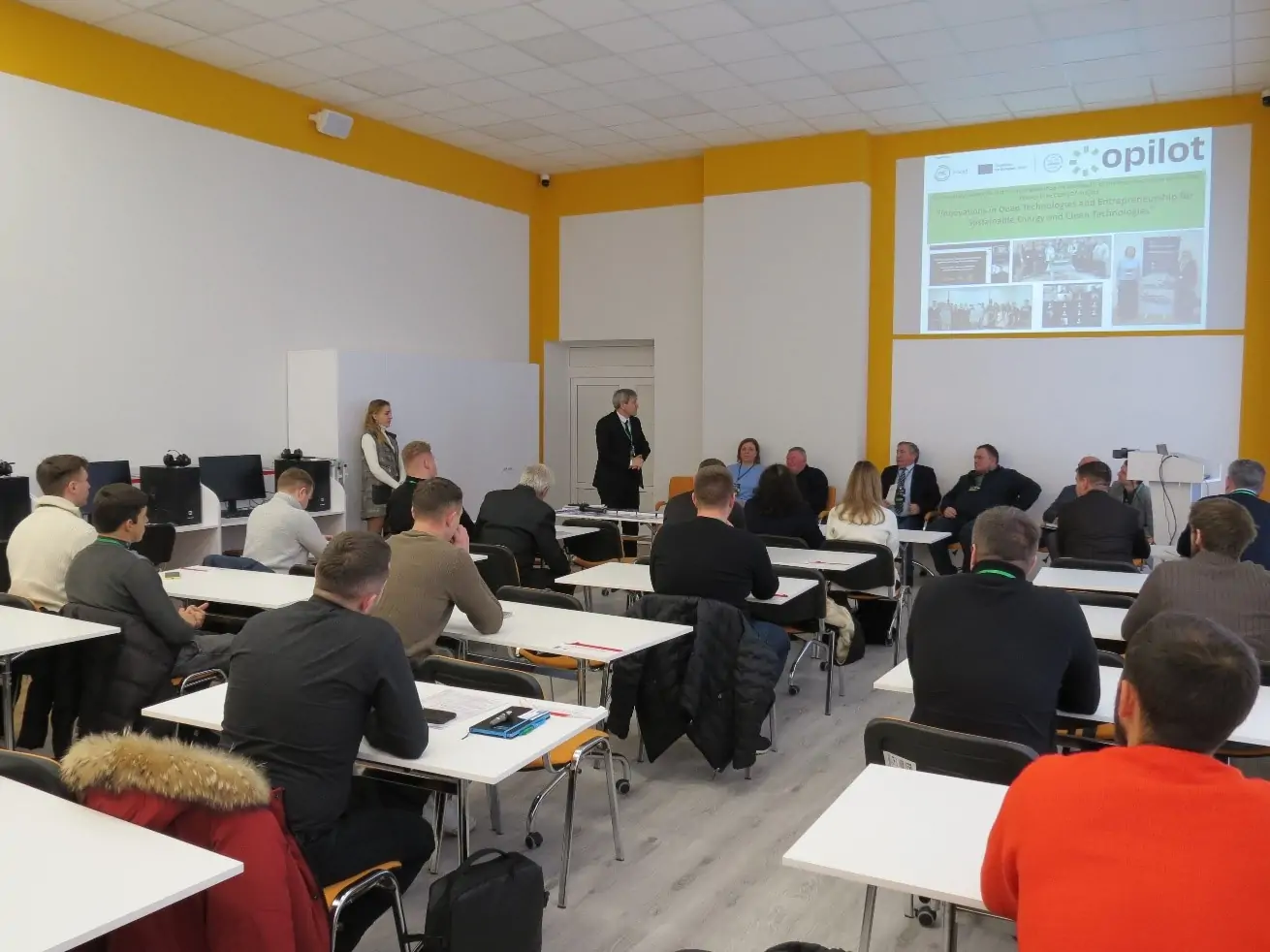
On December 29, 2025, the Faculty of Design and Engineering of the National University of Life and Environmental Sciences of Ukraine (NULES) hosted an International Scientific and Practical Workshop presenting the results of the first phase of the COPILOT project, “Innovation in Deep Technology and Entrepreneurship for Sustainable Energy and Clean Technologies.” The event was chaired by the Vice-Rector for Scientific and Pedagogical Work and International Activities, Oleksandr Labenko.
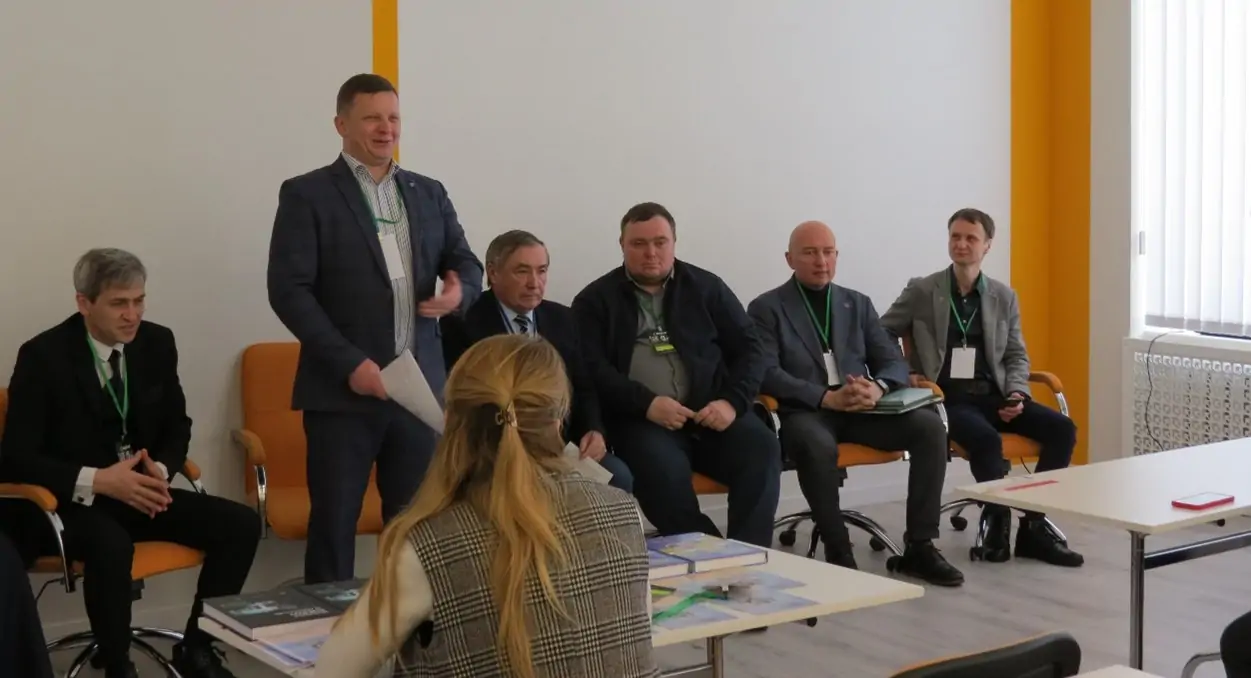
The workshop, held in a hybrid format, showcased the results of the first phase of the COPILOT project, which ran from April 1 to December 31, 2025, and outlined directions for its future development. Discussions focused on building effective collaboration between universities, research institutions, and the business sector, aiming to put the “knowledge triangle” into practice, support European integration, and harmonize the educational and research-innovation landscape.
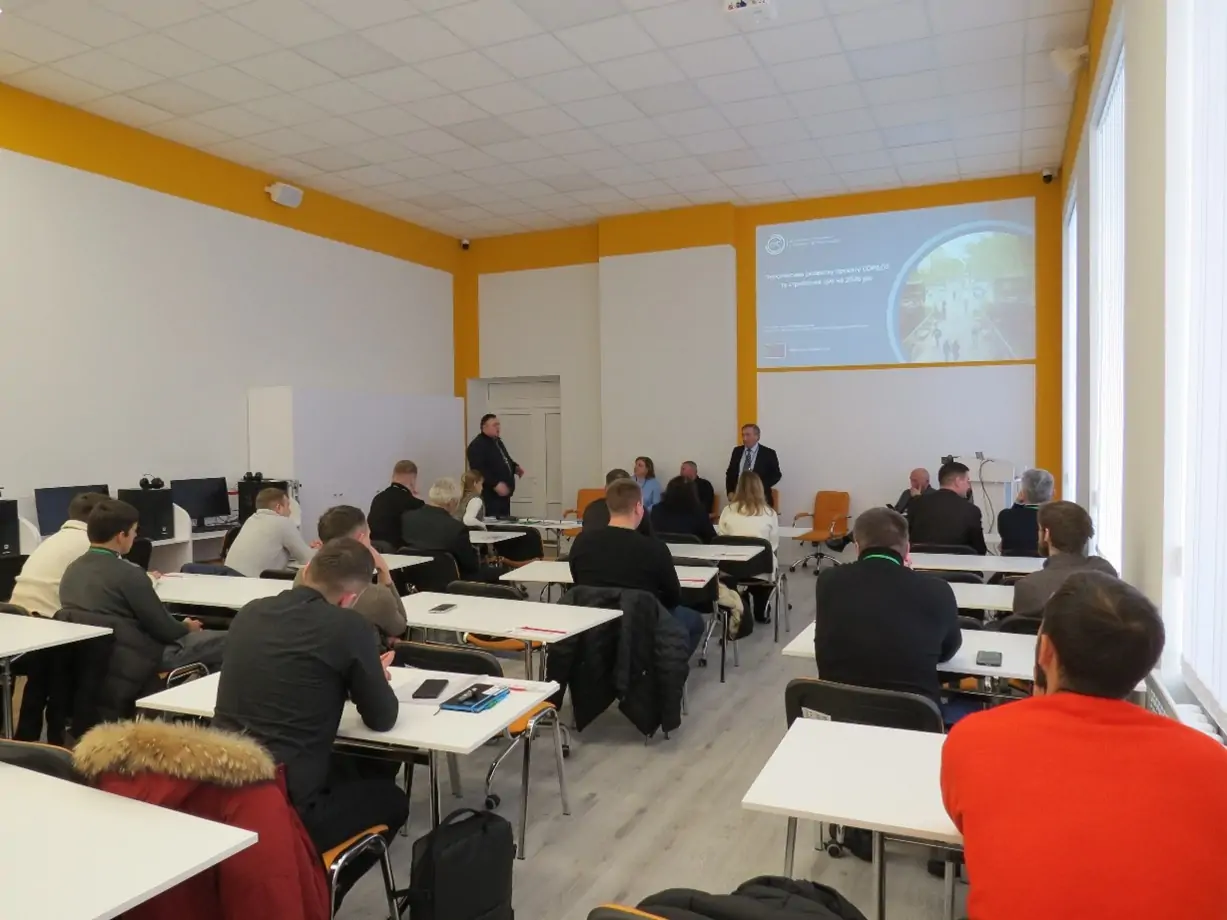
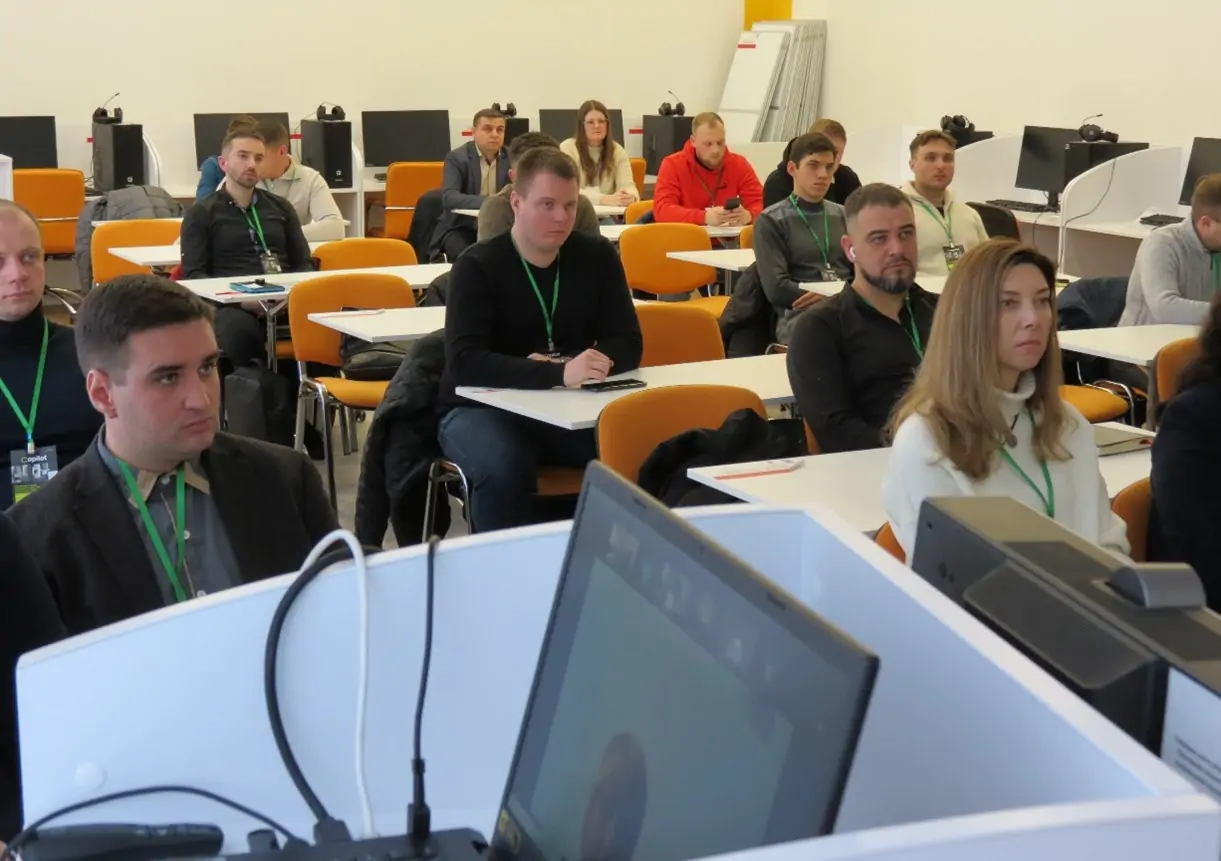
The workshop brought together representatives from NULES, Bila Tserkva National Agrarian University (BNAU), Polissya National University (PNU), the Technical University of Denmark, the University of Castilla-La Mancha, the Cyprus Institute, the Institute for Entrepreneurship Development, and other partner organizations.
The program included presentations of educational and research achievements, working sessions with consortium partners, and discussions on the prospects for implementing educational, research, and innovation initiatives in the field of sustainable energy and clean technologies. The main part of the workshop was held at the innovative HUB, “Sustainable Business Platform.”
The event was officially opened by Oleksandr Labenko, who outlined the workshop’s key objectives, defined its format, emphasized its importance for the development of the university’s international activities, and wished participants fruitful collaboration.
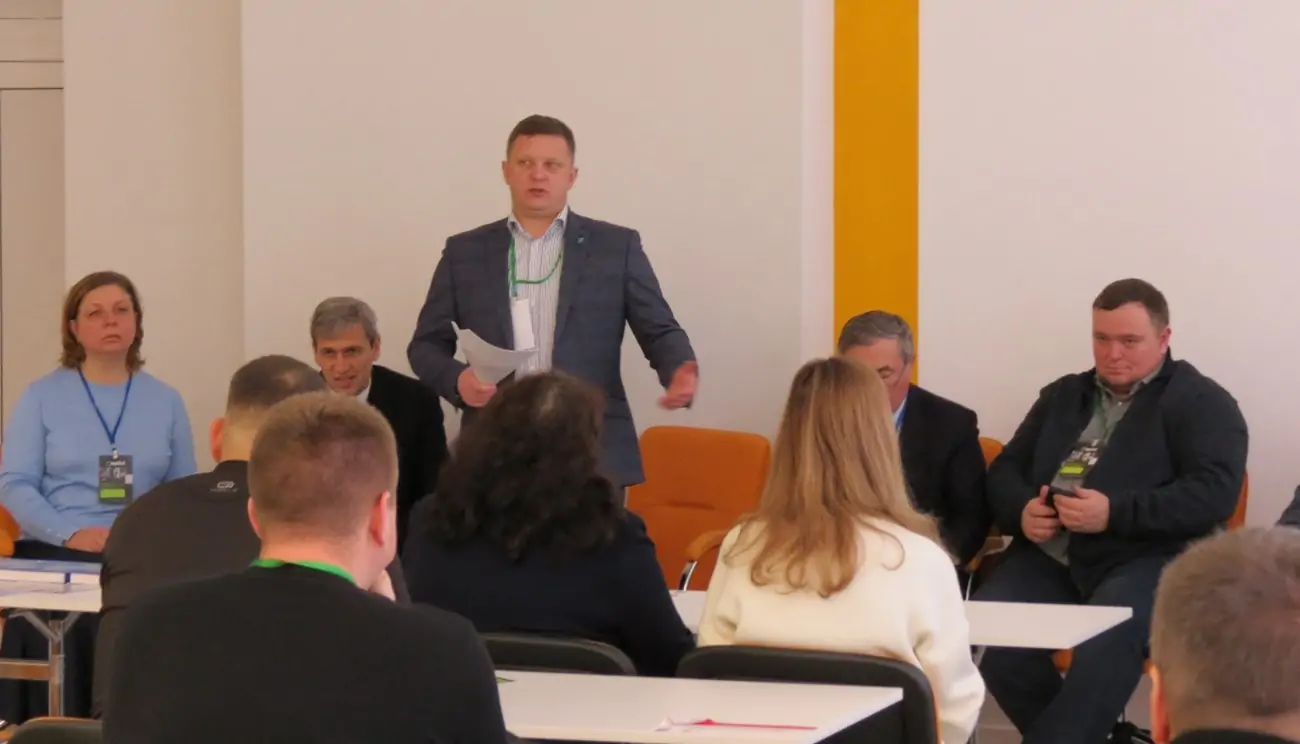
Following the welcome speeches by Ivan Rogovskii, Viacheslav Bratishko, Tetyana Dyman, Olena Sukmaniuk, and consortium partners – Ahmad Arabkoohsar, Andrés Honrubia Escribano, Meisam Sadi and Maria Constantinou the workshop continued with presentations from the key speakers.
The event was moderated by Gennadiy Golub, COPILOT project coordinator at NULES.
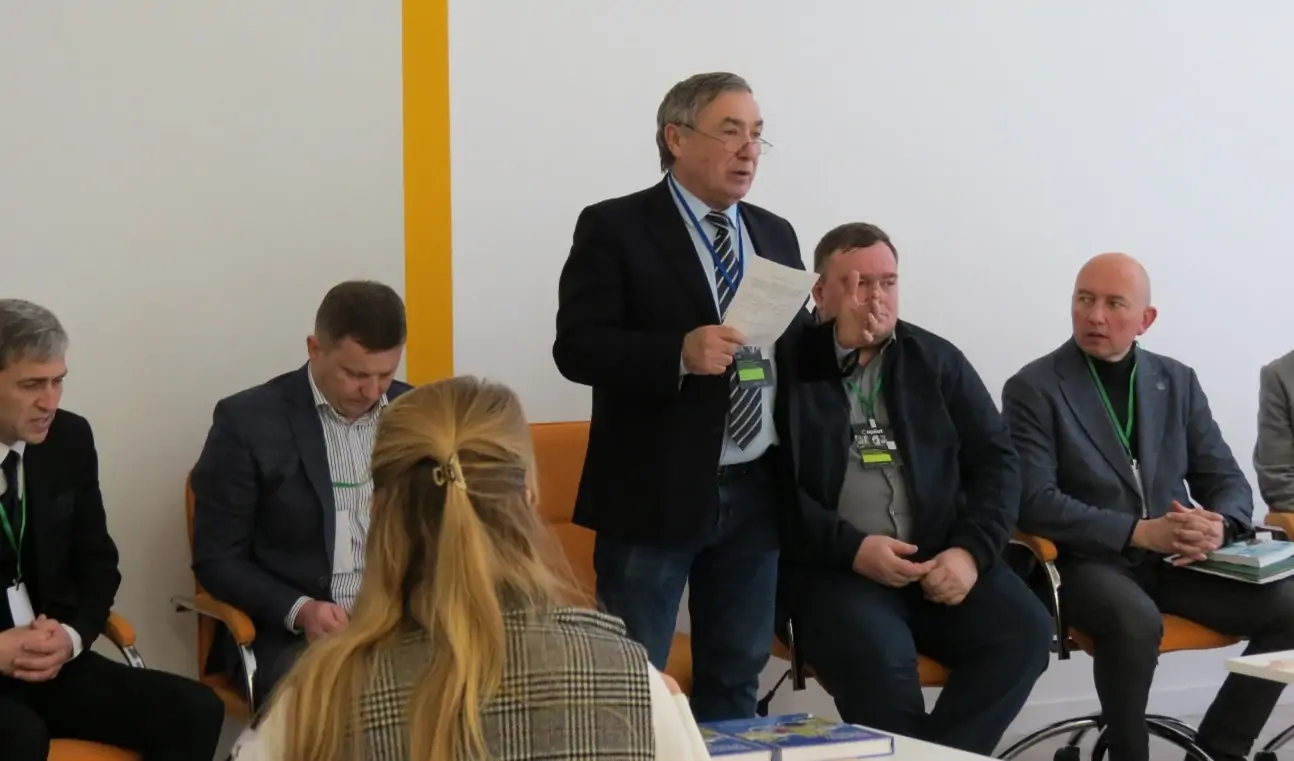
In his opening remarks, he highlighted the project’s key challenge – the need to transform teaching approaches and practices in higher education institutions in Ukraine and partner countries of the consortium in the field of deep technological innovation. According to him, this transformation is a prerequisite for fostering European-minded thinking in the areas of sustainable “green” energy and digital technologies, as well as for strengthening the innovation and entrepreneurial potential of the higher education system. During the discussion, topics included the development of universities’ institutional structures, student engagement in innovation activities, collaboration with the European Institute of Innovation and Technology, updating educational programs, creating innovation-oriented research environments, and establishing systematic evaluation of outcomes.
All workshop participants actively joined the professional discussion of the results of the first phase of the project. Ivan Rogovskii and Viacheslav Bratishko noted that, within the framework of the TREATY project and the first phase of COPILOT, a new educational model had been implemented at the respective faculties – learning through innovation and business partnership, with a strong focus on practice-oriented and student-centered approaches.
This model involves collaborative development of educational programs with stakeholders at the bachelor’s, master’s, and PhD levels, as well as the creation of a safe, energy-independent, and digital learning environment. Active engagement with industry and business has facilitated the establishment of modern practical training facilities, laboratories, and mentoring platforms equipped with up-to-date production equipment. For students, this means acquiring practical competencies, access to modern infrastructure, mentorship programs, and opportunities for first employment, while businesses benefit from a well-prepared workforce.
As an example of effective collaboration, Viacheslav Bratishko highlighted the scholarship programs of KUHN and MZURI, which operate on the “from the production line to the classroom” principle.
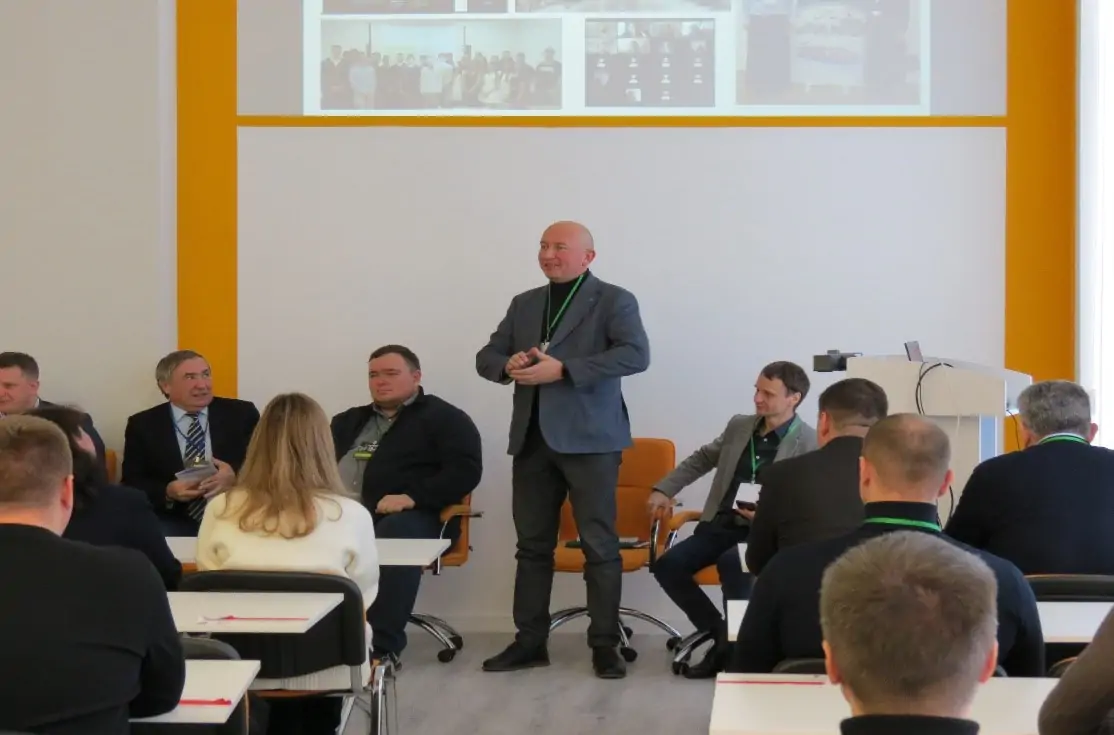
Ivan Rogovskii also reported that in 2025, the innovative HUB “Sustainable Business Platform” was launched at the Faculty of Design and Engineering. Leading employers, including MHP, KUHN, NEW HOLLAND, LEMKEN, and others, have been engaged in collaboration, offering internships, dual educational programs, employment opportunities, and joint educational initiatives.
At the same time, a culture of student career development is being fostered from the first year of studies – ranging from the development of soft skills to professional certification, from participating in business interviews to launching start-ups. In this way, the EIT “knowledge triangle” model is being implemented in practice, integrating education, research, business, and the public sector.
Particular attention was given to the implementation of dual and triple degree programs. Viacheslav Bratishko reported the signing of an agreement between the Mechanical and Technological Faculty of NULES and the Faculty of Engineering Sciences at Vytautas Magnus University to implement a master’s dual-degree program in H7 “Agroengineering.” This program represents the first step toward expanding the Mechanical and Technological Faculty’ cooperation with European universities and serves as a foundation for creating joint engineering master’s programs with other EU institutions, including the Krakow University of Agriculture. It is expected to enhance academic mobility for students and faculty, deepen research activities, and expand partnership networks.
Gennadiy Golub emphasized that NULES plays a leading role in the COPILOT project as a “pioneer of innovation and entrepreneurship,” drawing on its own experience in sustainable energy and clean technologies. Within the project, the university provides mentorship to BNAU and PNU through seminars, joint pilot projects, participation in conferences and workshops, and support for the presentation of innovative developments. This collaboration contributes to the development strategies of partner universities, strengthens their ties with regional innovation ecosystems, and enhances their role in the “knowledge triangle.”
A notable example of this collaboration is the partnership between BNAU and PNU, coordinated by NULES. As part of this cooperation, the course “Digital Technologies in Distributed Bioenergy” was offered to students, a professional development program was organized for the faculty Engineering and Energetics (PNU), and a pilot solar power plant project was launched, providing BNAU with its own electricity supply.
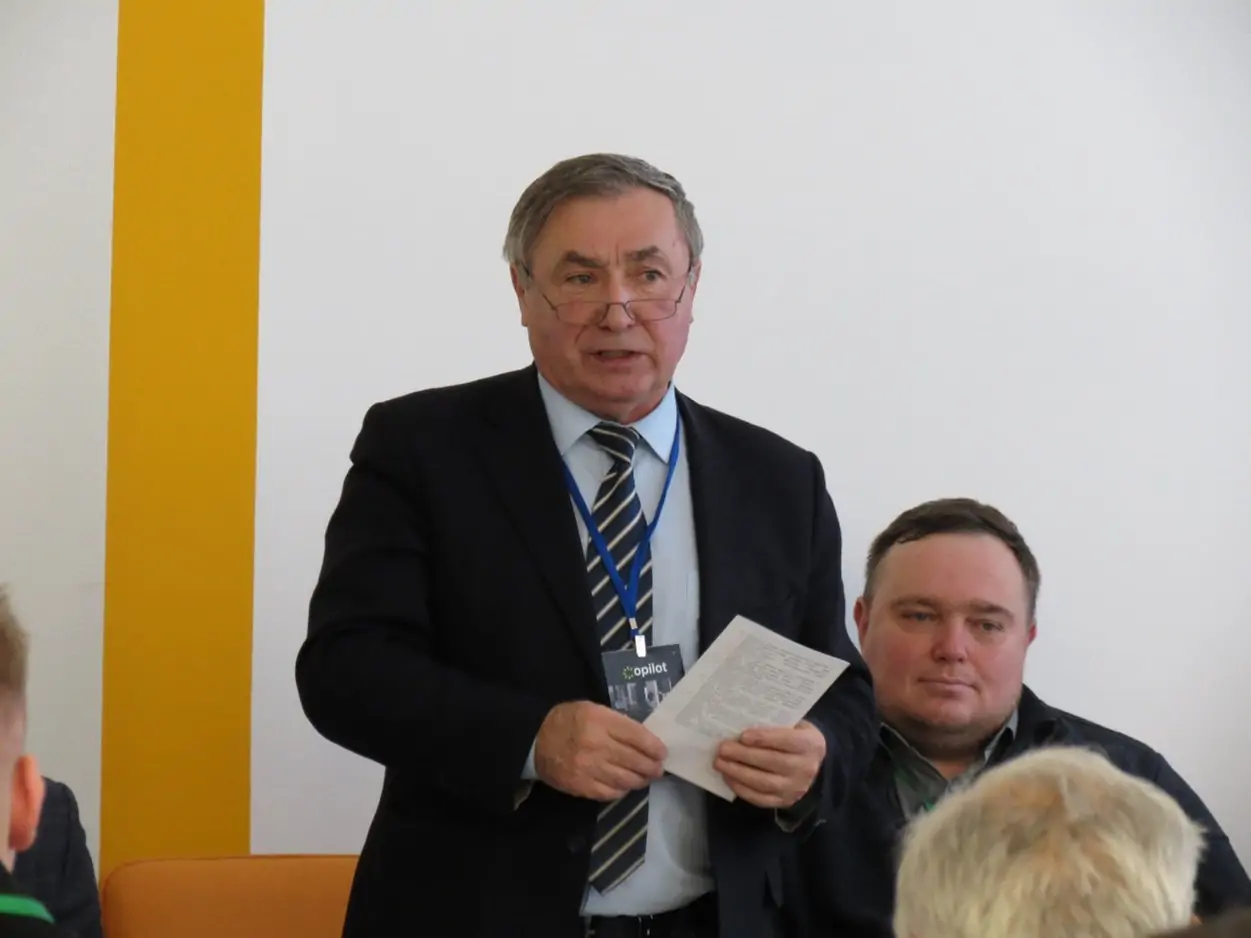
Yuriy Romasevych, Deputy Dean for International Activities of the Faculty of Design and Engineering, in his presentation addressed the interaction of the three key components of the project: international collaboration, educational activities, and research. He emphasized that without the first component, it is impossible to establish a reference point, that is, a benchmark aligned with high European standards. Research activities should realize the creative potential of faculty members, avoiding banal or irrelevant topics. The educational component’s role is to transmit newly acquired knowledge to students and to strengthen their capacity for self-directed learning.
The speaker illustrated his point with the example of collaboration with Israeli researchers, which began during the implementation of the COPILOT project, and explained how this work influenced the development of his own research trajectory and the content of the educational programs implemented. In addition, Yuriy Romasevych highlighted several points regarding the importance of students’ own initiative, which, in his view, can help overcome the challenges of human capital development in Ukraine.
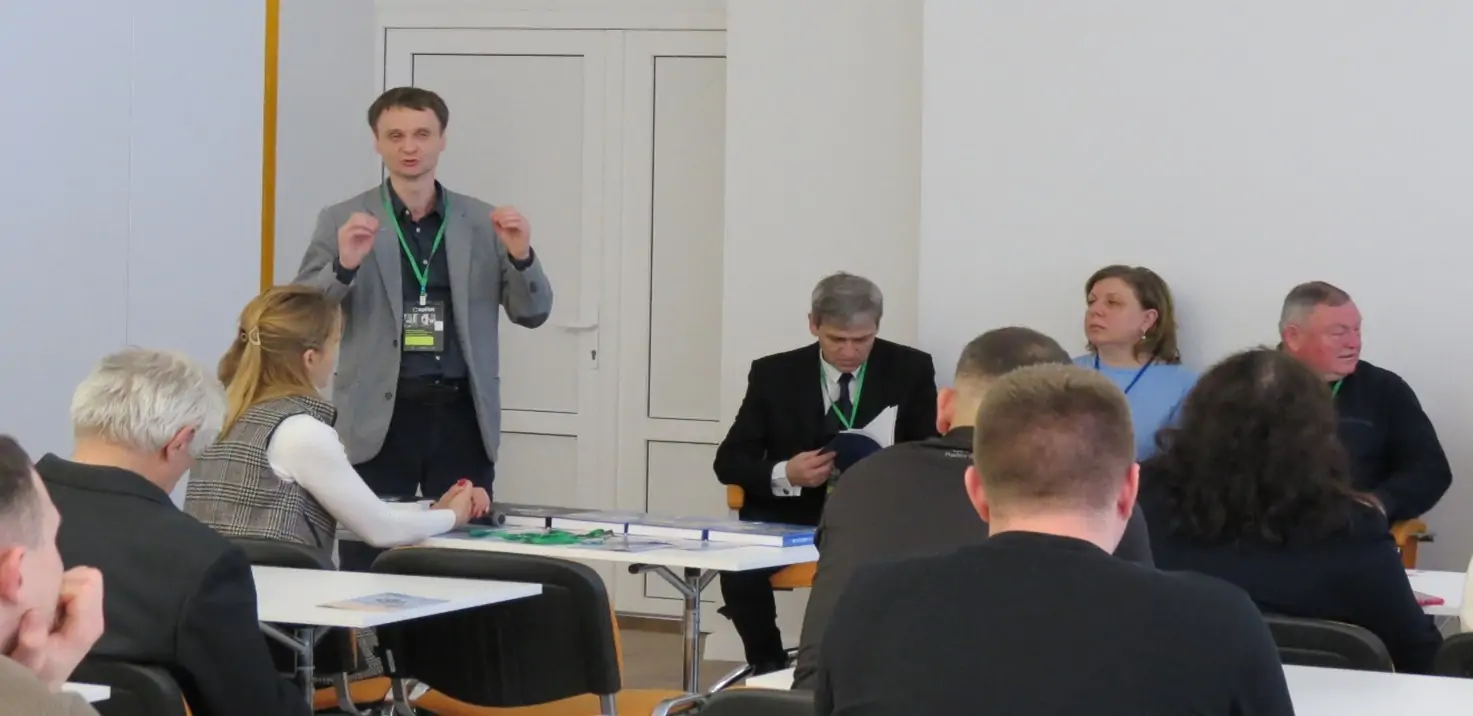
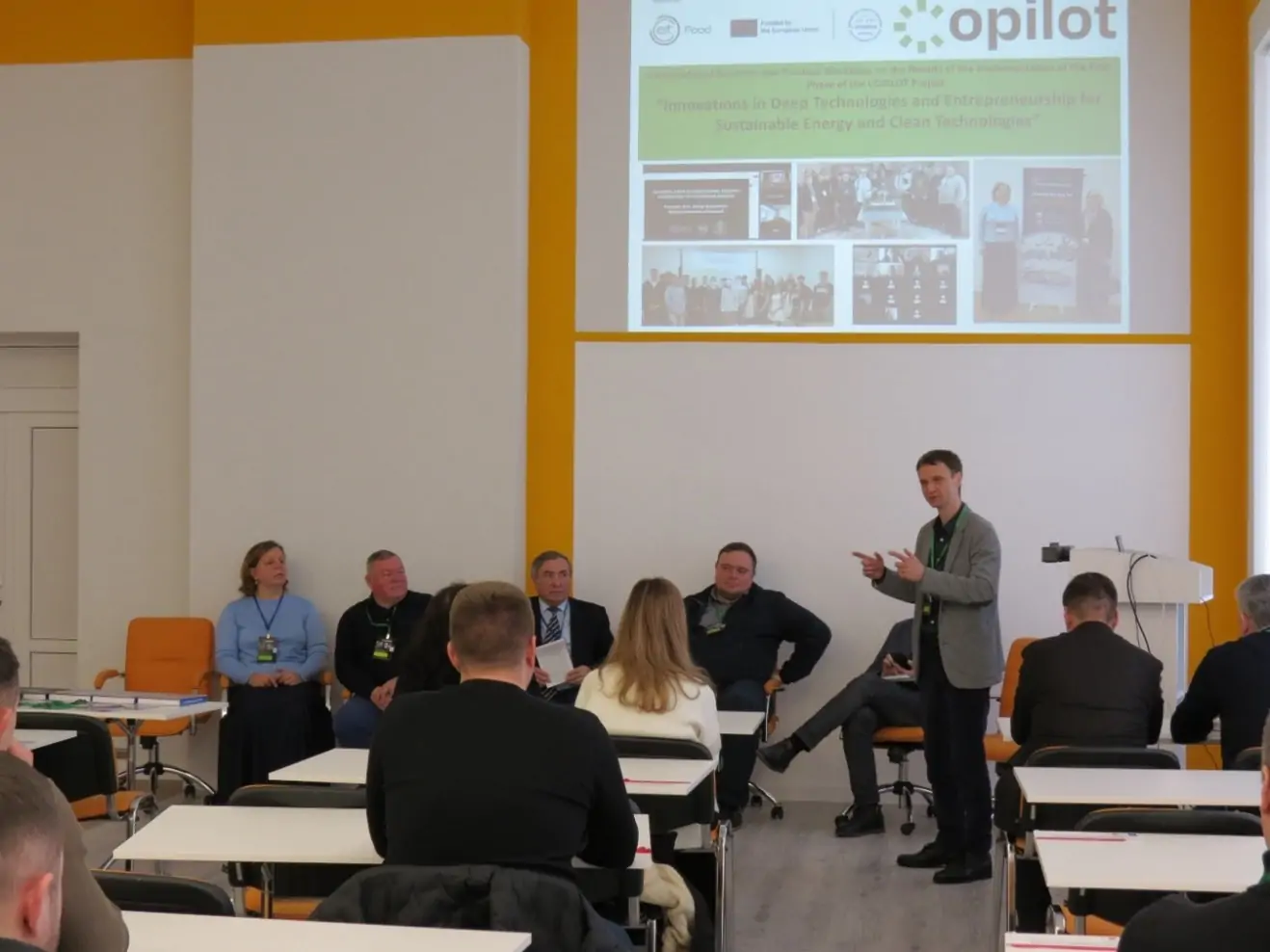
The experience of Bila Tserkva National Agrarian University in the COPILOT project was presented by the project coordinator, Viacheslav Chuba, and the Vice-Rector, Tetyana Dyman.
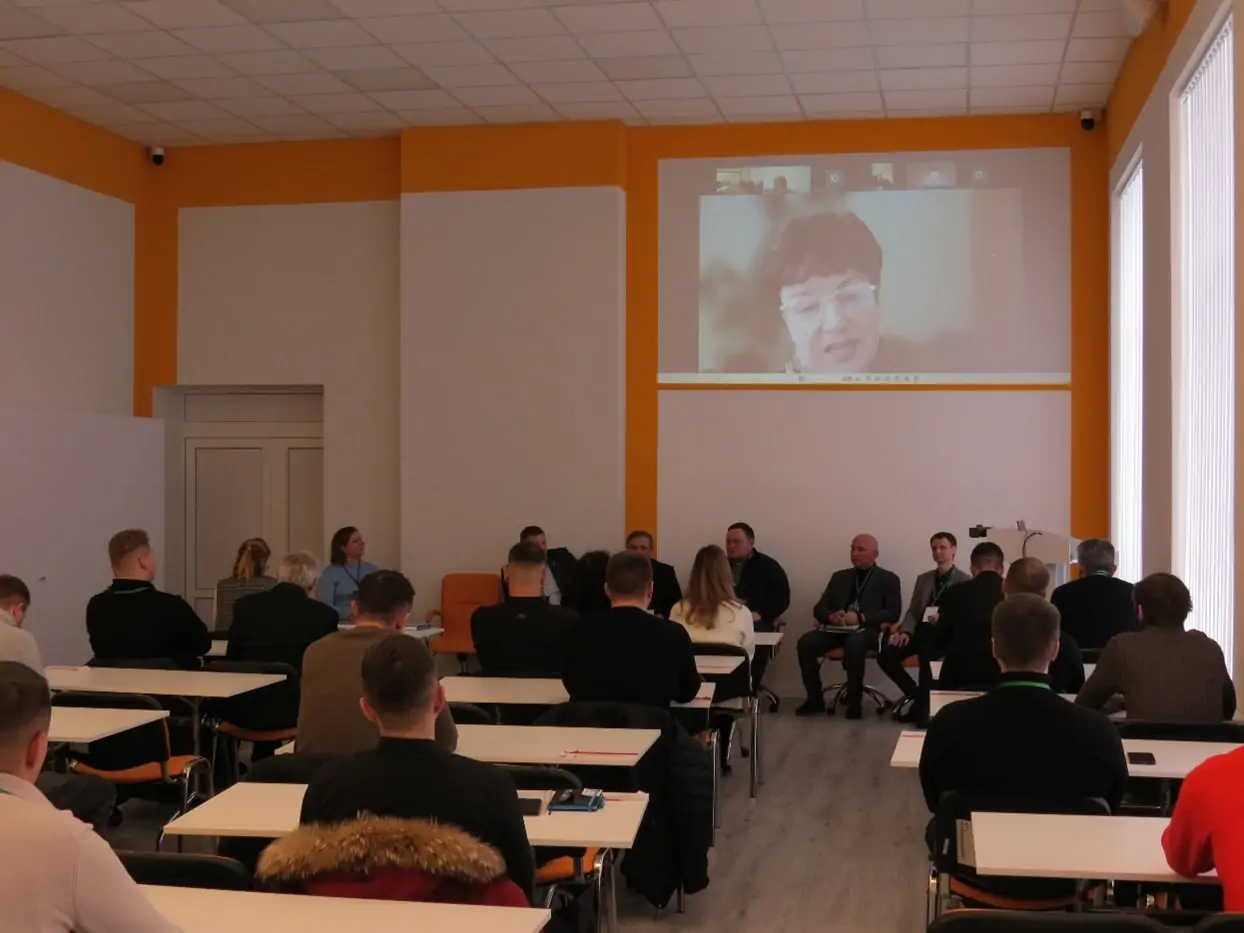
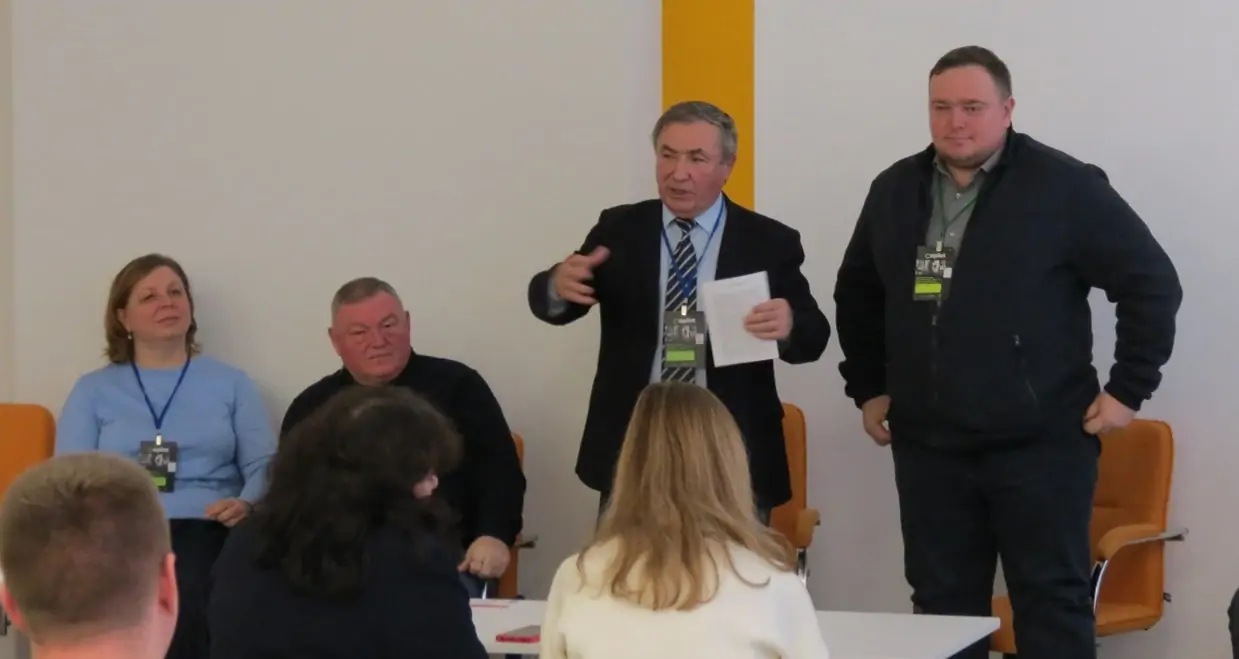
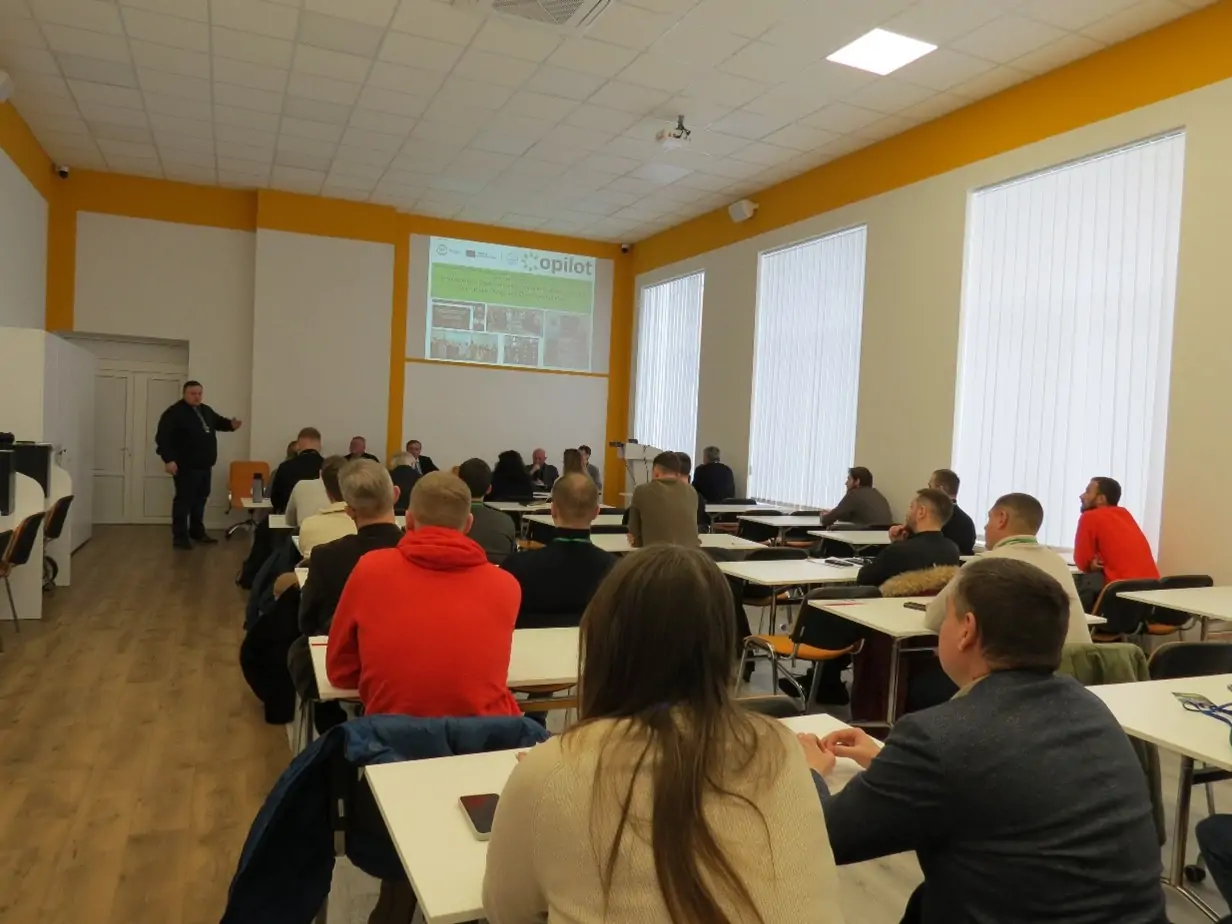
They emphasized the strategic importance of collaboration with the European Institute of Innovation and Technology and NULES. According to Tetyana Dyman, participation in the project has allowed the university, even under wartime conditions, not only to maintain educational and research activities but also to organize high-quality practical training and implement innovations in production. Viacheslav Chuba stressed that science, education, and business must function as a unified system shaping the future of the region and the country as a whole.
The discussion also involved PNU, which participated in the project as a new partner of NULES and BNAU. The Dean of the Faculty of Engineering and Energetics, Olena Sukmaniuk, and Deputy Dean for Research, Oleksandr Medvedskyi, noted that participation in the project enabled the integration of European approaches to training specialists in renewable energy directly into the educational process.
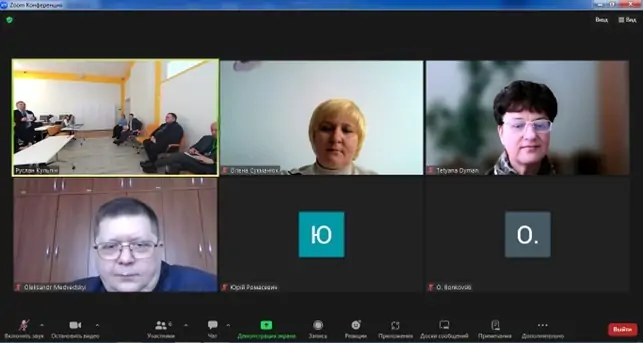
The training was conducted at the Department of Electrification, Production Automation, and Engineering Ecology in the G3 “Electrical Engineering” program, specifically within the course “Advanced Technologies in Non-Traditional and Renewable Energy.” The educational and methodological materials were developed jointly with NULES and BNAU, ensuring the unification of teaching approaches and compliance with modern European standards.
In addition to preparing higher education students, the COPILOT project also provided training for representatives from industry, business, and university faculty. The courses implemented aimed to update professional competencies in sustainable energy technologies, innovative entrepreneurship, and modern pedagogical practices, creating the foundation for further modernization of the educational process and integration of the project’s results into academic programs.
The prospects for the development of the COPILOT project in Ukraine and its strategic objectives for 2026 were presented by Nataliya Tsyvenkova, Deputy Dean for International Activities of the Mechanical and Technological Faculty, NULES.
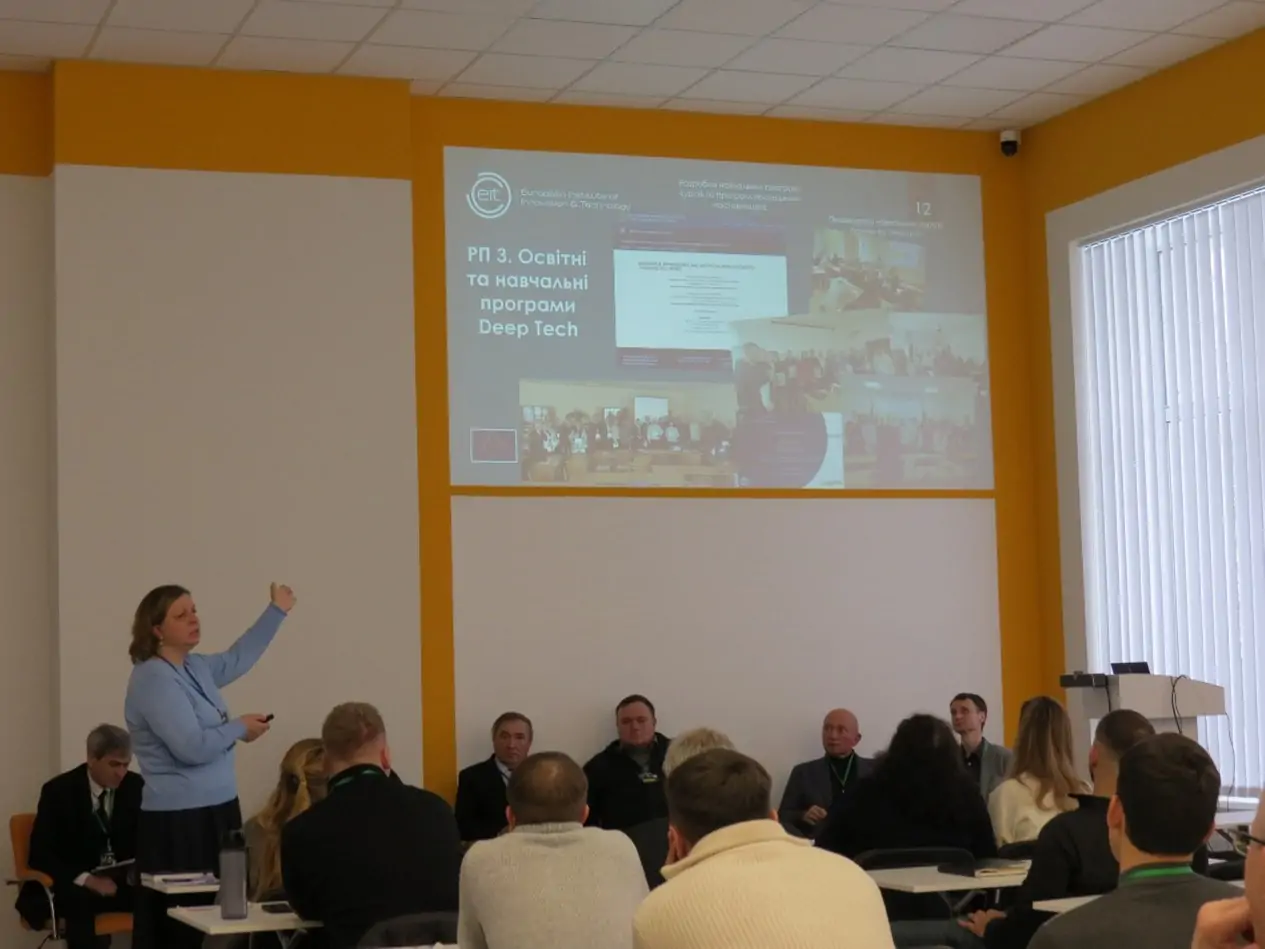
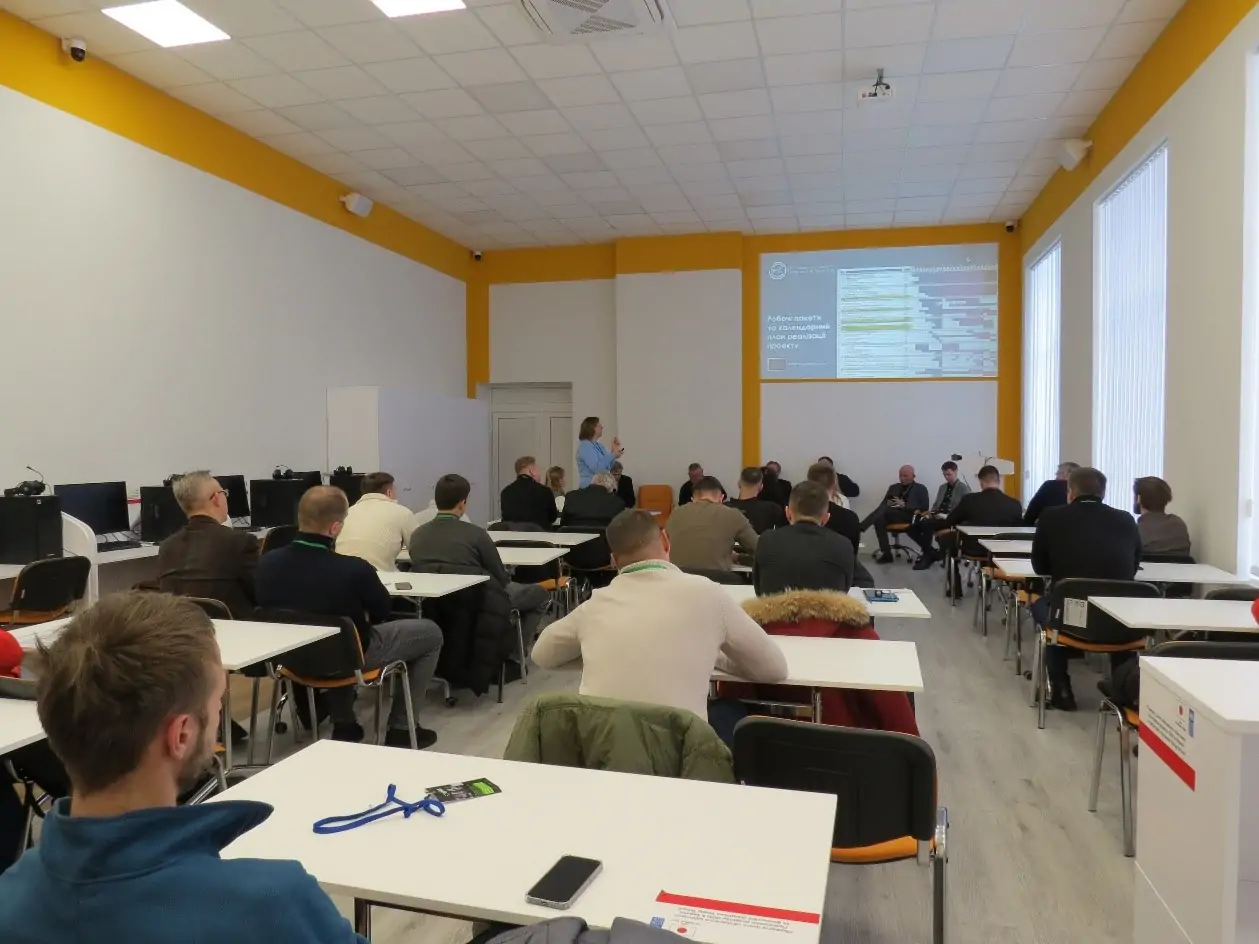
NULES is responsible for implementing Work Package 7, “Knowledge Sharing – Success Stories.” As part of this work package, success stories have already been published on the project website (copilotproject.eu) from NULES (A Success Story in Building Partnerships, Advancing Sustainable Technologies, and Strengthening Innovation and Entrepreneurship), BNAU (Bila Tserkva National Agrarian University: A Success Story of Energy Supply and Prospects of Implementing Innovations to Achieve Sustainable Development Goals), and the University of Castilla-La Mancha (UCLM Leads the Way in Sustainable Energy with Solar PV Installations).
In addition, Lyubov Shymko (NULES) and Ivan Omarov (BNAU) recorded a podcast titled “Deep Tech Ecosystem in NULES: International Development Standards and the Ukrainian Innovation Breakthrough,” based on the success stories and joint achievements of NULES and BNAU.
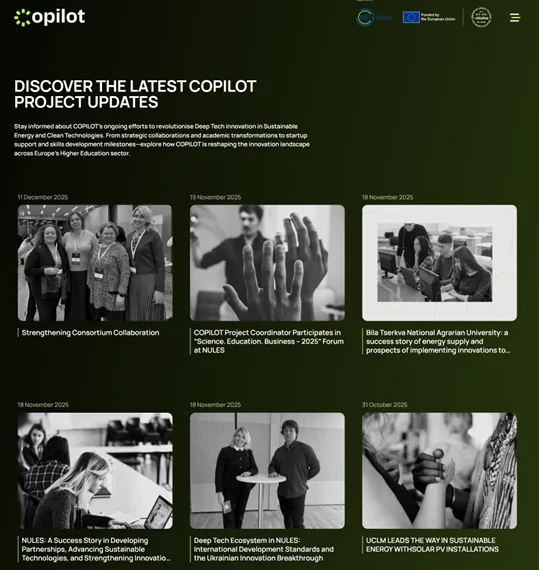
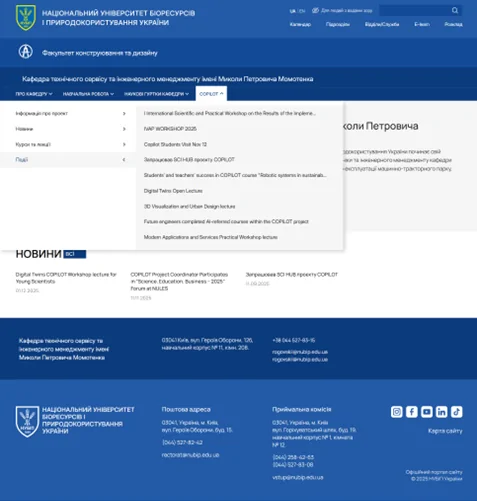
Nataliya Tsyvenkova noted that, despite significant achievements in the implementation of the COPILOT project, much work still lies ahead for NULES. It is necessary not only to highlight the individual successes of each participating university, but also to achieve a shared success for the entire consortium in practically implementing the “Knowledge Triangle,” integrate this story into the EIT HEI Initiative Resource Hub, and present the joint achievements through the EIT HEI Initiative community of practice.
Following the workshop, representatives of the consortium universities discussed the ongoing challenges facing each institution and the consortium as a whole, as well as the next steps for the successful implementation of the project.
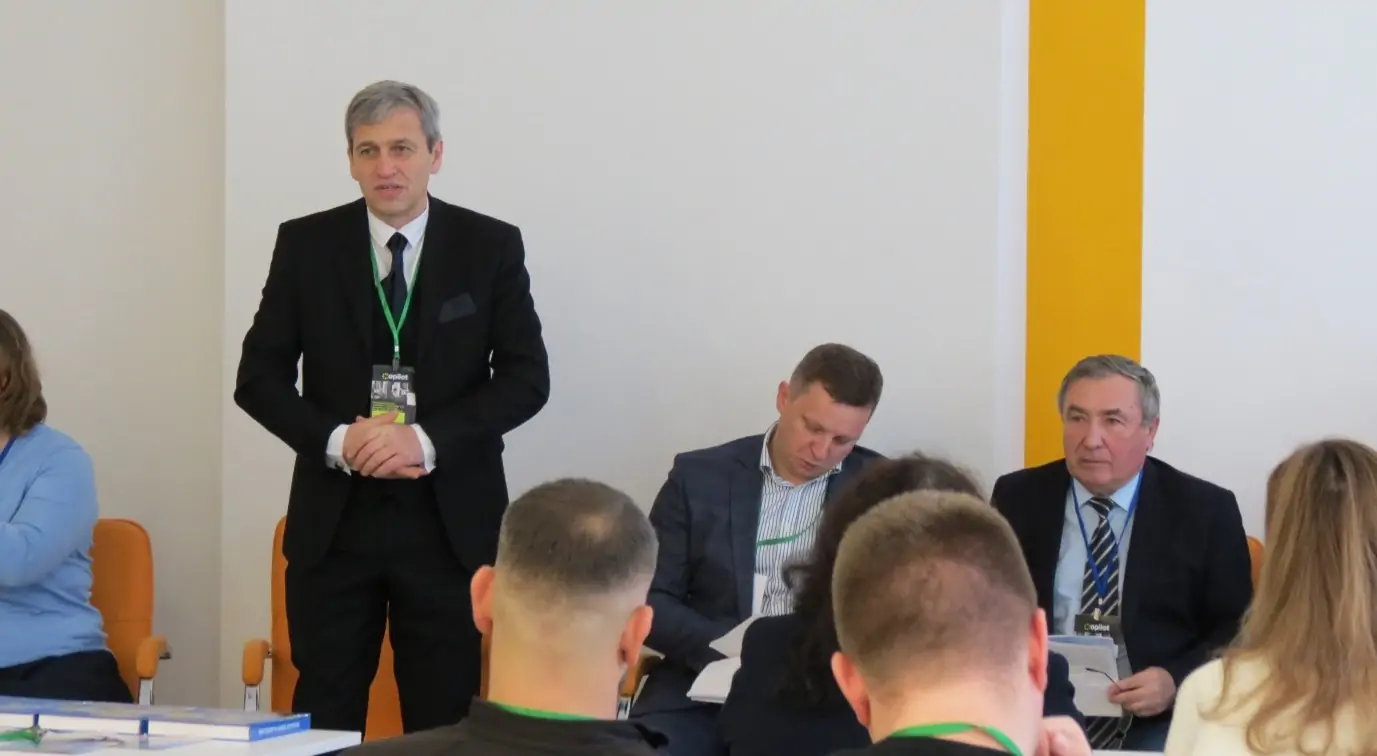
Concluding the workshop, Ivan Rogovskii, Dean of the Faculty of Design and Engineering, thanked the participants for their work, engaging presentations, and discussions, wished success in implementing the agreements reached during the day, and extended his New Year greetings to all workshop participants.